
As a dedicated cat parent, you strive to provide the ultimate life for your feline companion. You’ve invested in the best organic kibble, the plushest beds, and a mountain of catnip mice. However, there is a silent epidemic affecting indoor cats across the United States: Loneliness.
While cats have a reputation for being fiercely independent, scientific research (the core of our Cat Thesis) proves they are social creatures that thrive on interaction. When those social needs aren’t met, your cat won’t tell you in words—they will show you through behavioral shifts.
If you’ve been wondering, “Is my cat happy being home alone?”—pay close attention. Here are the proven signs that your indoor cat is struggling with isolation and how you can transform their life today.
Excessive Grooming (The Over-Licking Red Flag)
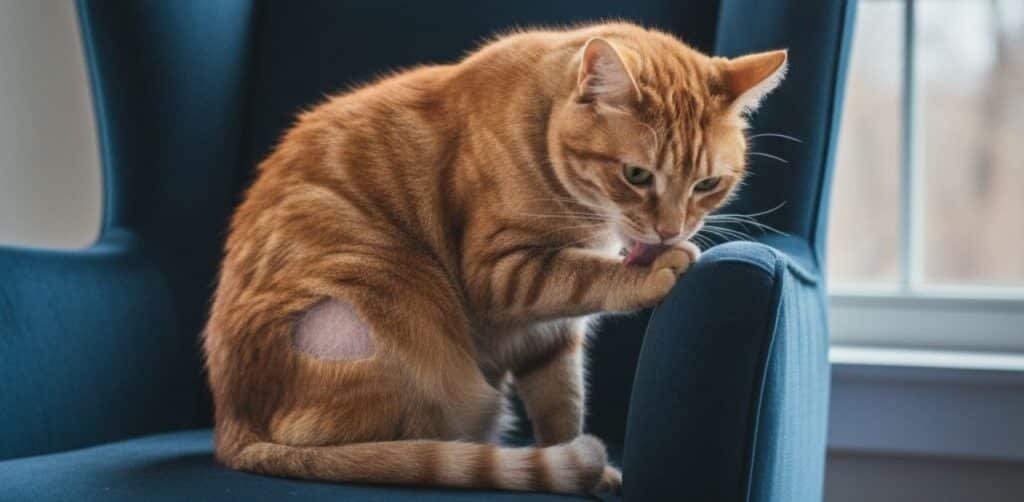
Have you noticed your cat licking themselves to the point of bald patches? In the feline world, this is often a distressing sign of “psychogenic alopecia.”
When indoor cats feel under-stimulated or lonely, they turn to self-grooming as a coping mechanism. This repetitive action releases endorphins that provide temporary comfort. If your cat’s grooming has become obsessive, it’s a critical cry for attention and mental stimulation.
Destructive Behavior and Sudden Chaos
If you come home to find your expensive curtains shredded or your favorite vase shattered on the floor, don’t just label it as “bad behavior.” In many cases, this is calculated destruction.
Loneliness leads to boredom, and boredom leads to a search for high-intensity stimulation. To a lonely cat, even “bad” attention from a frustrated owner is better than no attention at all. This frustrating behavior is often a desperate attempt to engage with you.
Persistent and Distressing Vocalization

Does your cat follow you from room to room, letting out haunting, loud meows that seem to have no cause? While some breeds (like Siamese) are naturally chatty, a sudden increase in vocalization is a glaring symptom of loneliness.
In the US, many cat owners work long 9-to-5 shifts. When you return, your cat may “lecture” you. This isn’t just a greeting; it’s a heartbreaking expression of the social deprivation they felt while you were gone.
Drastic Changes in Sleep Patterns (Lethargy)
We know cats sleep a lot—usually 12 to 16 hours a day. However, if your cat has lost their “zoomies” and spends the entire day tucked away in a corner, it’s a warning sign.
Lethargy is a common symptom of feline depression. When a cat feels there is nothing worth waking up for—no prey to hunt, no friend to play with—they simply shut down. This loss of vitality is one of the most overlooked signs of a lonely indoor cat.
Cleanliness: The “Velcro Cat” Syndrome

Is your cat suddenly acting like your shadow? If they are constantly underfoot, tripping you up, or refusing to let you out of their sight, they are likely suffering from separation anxiety.
This intense clinginess suggests that they are terrified of your next departure. They have become so starved for social contact that they are trying to “guarantee” your presence by physically anchoring themselves to you.
Litter Box “Accidents”
Nothing is more infuriating for a homeowner than finding cat urine on the bed or sofa. But before you get angry, consider the scientific reason: stress.
Lonely cats often feel insecure in their territory. By urinating outside the litter box—specifically on items that smell like their owner (like your pillow)—they are trying to blend their scent with yours. It’s a compulsive way to feel closer to you when they feel abandoned.
A Shifting Appetite
Is your cat suddenly “protesting” their dinner? Or, conversely, are they begging for treats every five minutes?
Much like humans, cats may use food as a substitute for emotional fulfillment. A sudden drop in appetite or a shocking obsession with food are both indicators that your cat’s emotional ecosystem is out of balance.
How to Solve Feline Loneliness: The Cat Thesis Guide

Recognizing the signs is only the first step. To guarantee your cat’s happiness, you must take proactive measures:
- Vertical Exploration: Install cat trees or window perches. High-vantage points reduce anxiety and provide “Cat TV” (watching birds outside).
- Interactive Play: Dedicate at least 15 minutes twice a day to “feather-wand” play. This mimics the hunt and provides essential bonding time.
- Automated Stimulation: Use battery-operated toys that move unpredictably to keep them engaged while you are at work.
- Consider a Companion: Sometimes, the ultimate cure for a lonely cat is another cat. However, this requires a careful, slow introduction process.
Final Thoughts

Your indoor cat relies on you for everything—not just food and water, but for their emotional survival. Loneliness is a silent struggle, but by spotting these 7 critical signs, you can provide the life-changing support your feline friend deserves.
Don’t let your cat suffer in silence. A few simple changes in your daily routine can transform a lonely house cat into a thriving, joyful companion.