
Munchkin cats, often referred to as the “Dachshunds of the feline world,” are famous for their uniquely short legs and playful, kitten-like personalities. While their adorable appearance has made them a viral sensation across the United States, there is a deep-seated controversy surrounding their breeding and long-term well-being.
If you are considering bringing one of these “sausage cats” into your home, it is crucial to look beyond the cute aesthetic. In this comprehensive guide, we will dive deep into Munchkin cat health issues, the genetics behind their stature, and the ethical debate that continues to divide the feline community.
The Genetics Behind the Short Legs: Chondrodysplasia
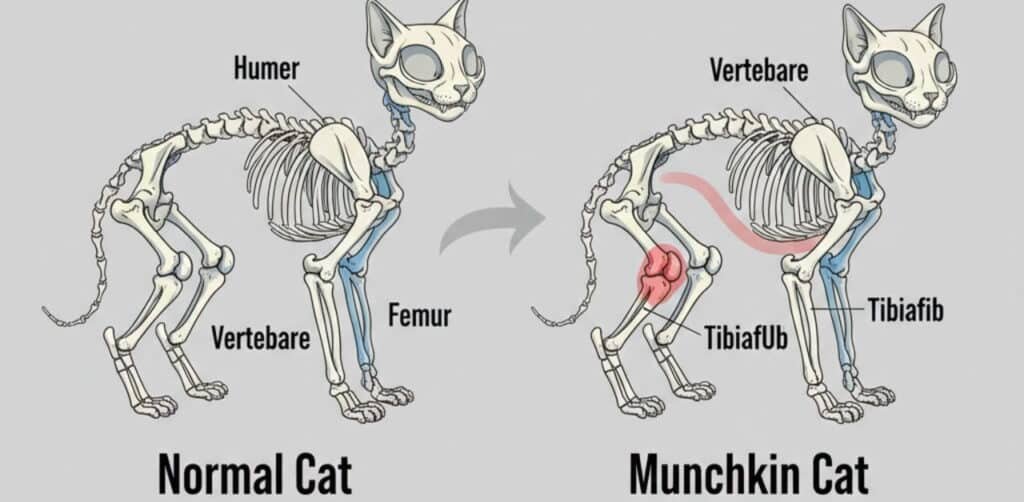
To understand the health risks, we first need to understand why Munchkin cats look the way they do. The short legs are the result of a genetic mutation known as chondrodysplasia (a type of dwarfism).
According to veterinary research and sources like Wikipedia and UFAW, this is an autosomal dominant gene. If a kitten inherits this gene from even one parent, it will have short legs. However, if a kitten inherits the gene from both parents (homozygous), it is typically lethal, and the embryo dies in the womb. This genetic reality is the foundation of many health concerns associated with the breed.
Common Munchkin Cat Health Issues
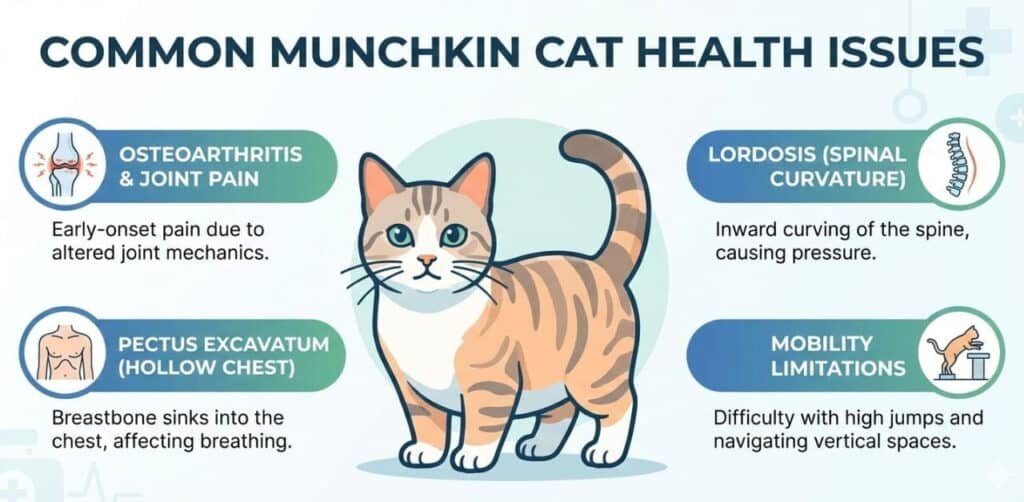
While many Munchkin owners claim their cats live long, healthy lives, scientific data from organizations like PetMD and the Universities Federation for Animal Welfare (UFAW) suggests they are prone to specific physical deformities.
Osteoarthritis and Joint Pain
Because of their shortened limbs, Munchkin cats have altered joint mechanics. Their legs are not just shorter; they are shaped differently, which puts abnormal pressure on their joints. Over time, this leads to early-onset osteoarthritis.
- Symptoms: Reluctance to jump, stiffness, or decreased activity.
- Impact: This can significantly decrease the quality of life as the cat ages, requiring lifelong pain management.
Lordosis (Spinal Curvature)
One of the most serious Munchkin cat health issues is lordosis. This is a condition where the muscles in the spine grow too short, causing the spine to arch inward (a “dip” in the back).
- In severe cases, the spine can press against the heart and lungs, leading to breathing difficulties or even death in young kittens.
- While not all Munchkin cats suffer from severe lordosis, mild versions can still cause chronic back pain.
Pectus Excavatum (Hollow Chest)
Similar to lordosis, pectus excavatum is a structural deformity where the breastbone (sternum) sinks into the chest. This gives the cat a “funnel chest” appearance.
- This condition narrows the space available for the heart and lungs to function.
- Surgery is often required for severe cases, which is both risky and expensive.
Mobility and Physical Limitations
While breeders often argue that Munchkins are just as mobile as regular cats, the physical reality is different. Their short legs limit their ability to jump high. While they can run fast (often compared to ferrets), they cannot escape predators or navigate high vertical spaces as effectively as long-legged cats.
Why Some Registries Refuse to Recognize Them
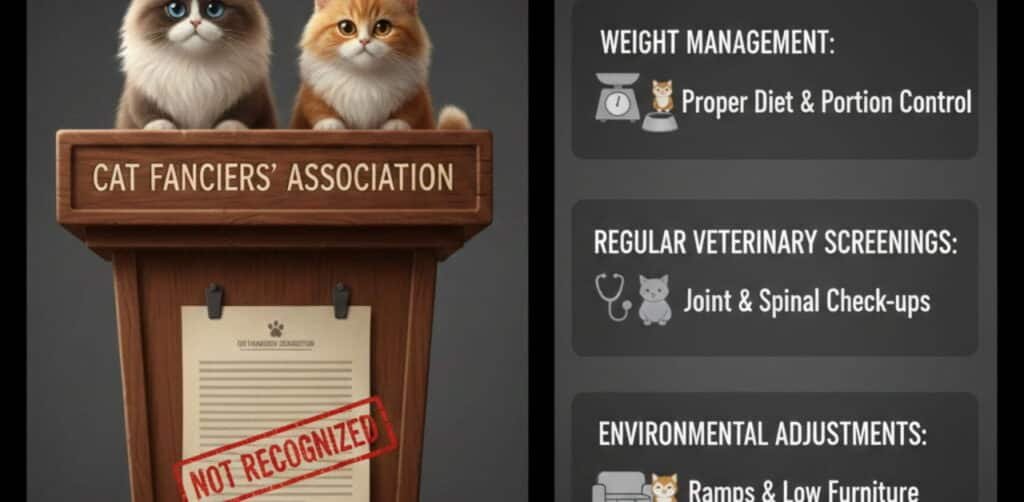
The health issues associated with Munchkin cats have sparked a massive ethical debate. Major organizations like the Cat Fanciers’ Association (CFA) and the Governing Council of the Cat Fancy (GCCF) refuse to recognize the Munchkin as an official breed.
Their reasoning is simple: They believe it is unethical to deliberately breed a cat for a physical deformity that can cause pain or limited mobility. As highlighted by The Little Carnivore, critics argue that breeding Munchkins prioritizes human aesthetic preference over the animal’s welfare. On the other hand, The International Cat Association (TICA) does recognize them, arguing that the mutation occurred naturally and that with responsible breeding, the risks can be managed.
Lifespan and General Care
The average lifespan of a Munchkin cat is 12 to 15 years, which is standard for most domestic cats. However, reaching this age comfortably requires proactive care.
Weight Management
For a Munchkin, obesity is a silent killer. Even a few extra ounces can put massive strain on their shortened joints and delicate spines. A high-protein, low-carb diet is essential to keep them lean.
Regular Veterinary Screenings
If you own a Munchkin, regular check-ups are non-negotiable. X-rays may be needed to monitor for signs of arthritis or spinal issues before they become debilitating.
Environmental Adjustments
Since Munchkins struggle with high jumps, owners should provide “pet steps” or ramps to help them reach sofas or beds without jarring their joints.
Is a Munchkin Cat Right for You?
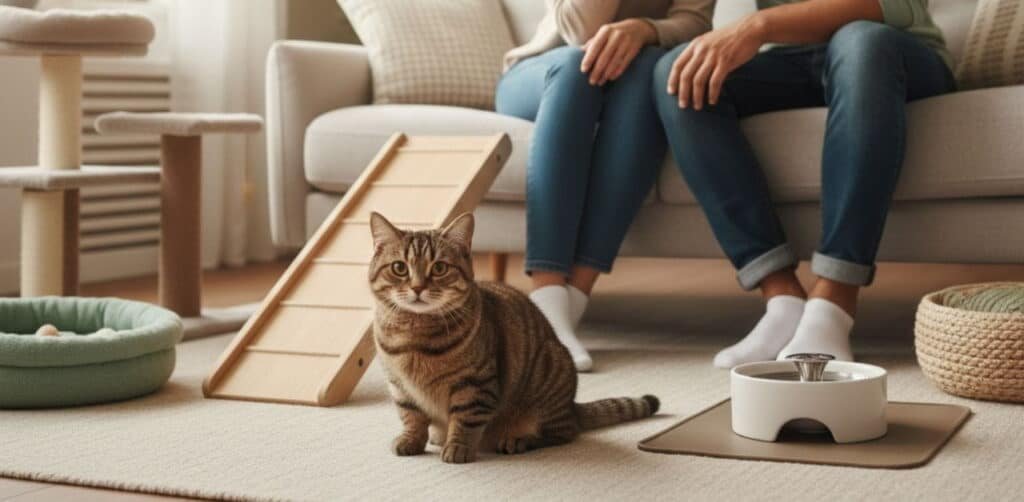
Choosing a Munchkin cat means accepting the risk of potential genetic health issues. If you are prepared for the possibility of higher-than-average vet bills and specialized care, they can be wonderful companions. They are known for being:
- Extremely social and people-oriented.
- Curious and playful.
- Highly intelligent.
However, if you are looking for a breed with fewer hereditary health risks, you might want to consider a domestic shorthair or a breed with a more natural skeletal structure.
Frequently Asked Questions (FAQs)
Are Munchkin cats in constant pain?
Not necessarily. Many Munchkins live active lives. However, they are at a much higher risk for chronic conditions like arthritis, which can cause discomfort as they age.
Can Munchkin cats jump?
They can jump, but not as high as standard cats. They usually prefer “climbing” or using intermediate steps to get to high places.
Why are Munchkin cats controversial?
The controversy stems from the fact that their short legs are a result of a genetic deformity (chondrodysplasia). Critics argue that breeding for this trait is cruel because it predisposes the cats to spinal and joint problems.
How much do Munchkin cats cost?
In the US, Munchkin kittens can cost anywhere from $1,000 to $3,000, depending on the breeder and the specific physical traits of the kitten.
Final Thoughts
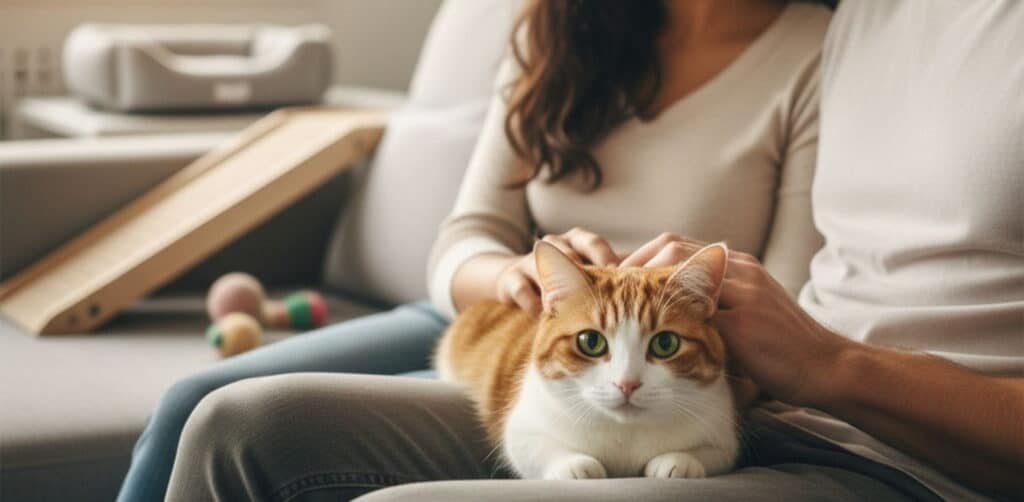
Munchkin cats are undeniably charming, but their “cuteness” comes with a biological cost. As a potential owner in the US, it is your responsibility to research breeders thoroughly. Ensure they screen for lordosis and pectus excavatum and prioritize the health of the cat over the length of its legs.
By understanding Munchkin cat health issues early on, you can provide the specialized care these unique felines need to live a happy, fulfilled life.