
As a cat owner, you probably pay close attention to your feline friend’s diet, their favorite toys, and their sleeping habits. But have you ever noticed your cat acting strangely around their food bowl? Maybe they pull their food out onto the floor, or they seem hesitant to eat despite being hungry.
If this sounds familiar, your cat might be experiencing Cat Whisker Stress. While it sounds like a complex scientific theory, it is a very real and uncomfortable condition that affects millions of household cats. In this “Cat Thesis” deep dive, we will explore what whisker stress is, why it happens, and how you can fix it.
What Exactly is Cat Whisker Stress?
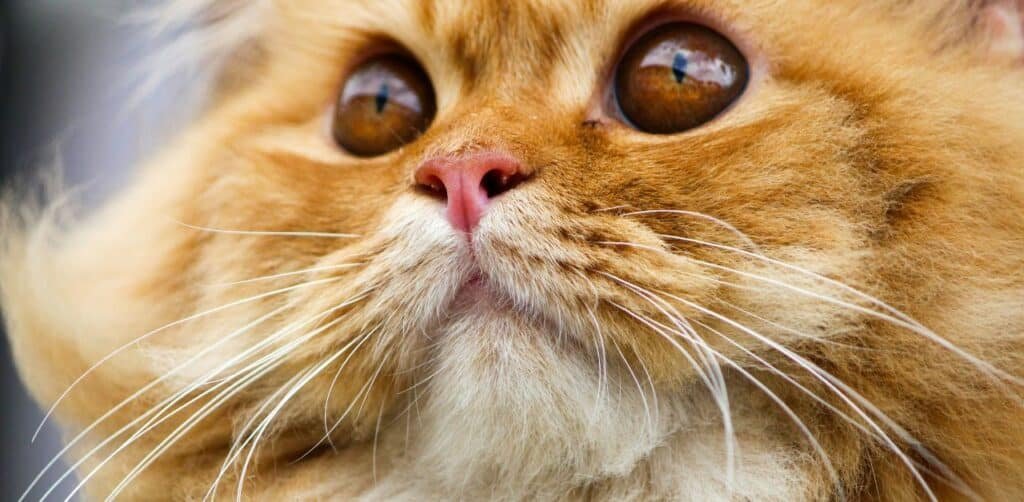
To understand Cat Whisker Stress (also known as whisker fatigue), we first need to understand the anatomy of a whisker.
Whiskers, or vibrissae, are not just long hairs. They are highly sensitive sensory organs rooted deep in the cat’s body, connected directly to the nervous system. At the base of every whisker is a group of sensory receptors called proprioceptors. These receptors send constant signals to the brain about the cat’s surroundings, detecting even the slightest changes in air currents or the position of nearby objects.
Whisker stress occurs when these sensitive hairs are constantly stimulated or touched. This happens most frequently when a cat has to stick its face into a deep, narrow food or water bowl. Every time their whiskers hit the sides of the bowl, a “sensory overload” signal is sent to the brain, causing discomfort, agitation, and even pain.
How to Tell if Your Cat is Suffering
Since cats are masters at hiding pain, you have to be a bit of a detective. If your cat is dealing with Cat Whisker Stress, you might notice these behaviors:
- Pawing Food Out of the Bowl: If your cat drops food on the floor to eat it, they aren’t just being messy. They are trying to eat in a way that doesn’t hurt their whiskers.
- Hesitation at Mealtime: Your cat circles the bowl, meows for food, but then stares at the bowl without eating.
- Aggression During Feeding: If your cat grows or acts nervous when other pets are near the food bowl, it might be because they are already in a state of sensory discomfort.
- Only Eating from the Center: If your cat leaves a “ring” of food around the edges of the bowl and acts like it’s empty, it’s because they don’t want to touch the sides.
Why Does it Hurt?
Imagine if your fingertips were so sensitive that every time they touched a hard surface, it felt like a small electric shock. That is a simplified way to think about Cat Whisker Stress.
Because whiskers are designed to help cats navigate in total darkness and hunt prey, they are never “turned off.” When a bowl forces these whiskers to bend or rub repeatedly, the brain becomes overwhelmed with unnecessary data. It’s a sensory “noise” that makes the simple act of eating feel like a stressful chore.
How to Prevent and Treat Cat Whisker Stress
The good news is that Cat Whisker Stress is 100% preventable. The solution lies in changing the environment, specifically the feeding station.
1. Switch to Wide, Shallow Bowls
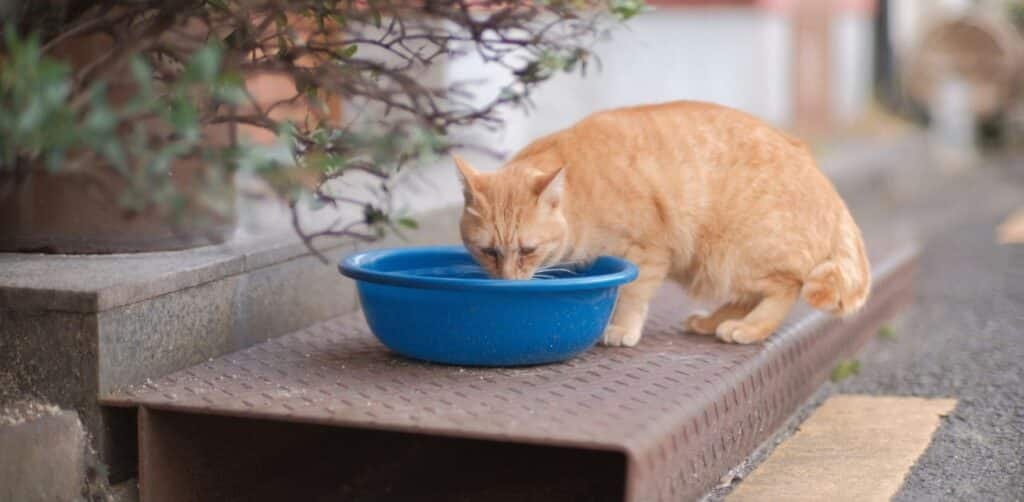
The best way to eliminate whisker fatigue is to use a flat plate or a very shallow bowl. Look for designs specifically labeled as “Whisker Friendly.” These allow the cat to eat without their vibrissae touching the edges.
2. Material Matters
Opt for stainless steel, ceramic, or glass. Plastic bowls can develop tiny scratches that harbor bacteria, leading to “feline acne,” which can make the face and whisker area even more sensitive.
3. Elevated Feeding Stations
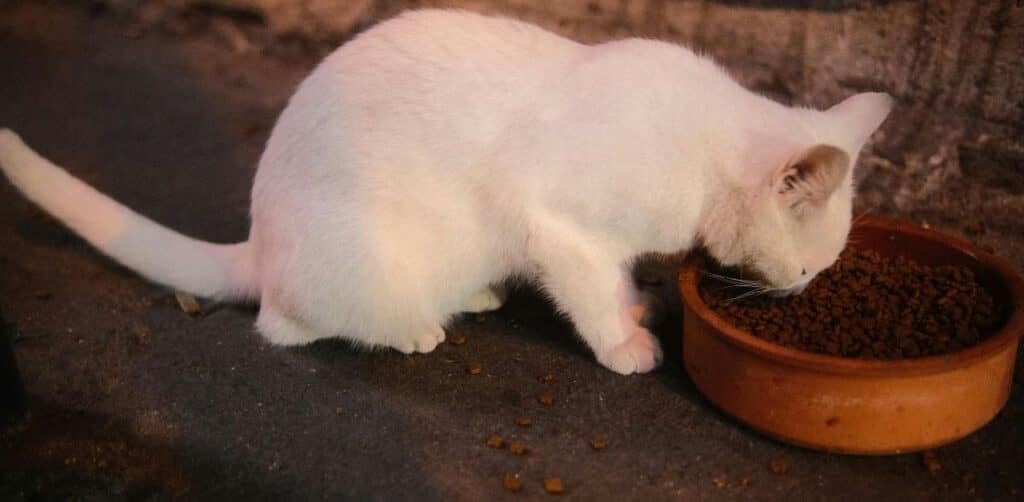
Sometimes, raising the bowl a few inches off the ground helps the cat approach the food at a better angle, reducing the pressure on their face and neck.
4. Monitor Water Intake
Whisker stress isn’t limited to food. Deep water crocks can also cause issues. Provide a wide water dish or a cat fountain where the water is easily accessible at the top.
Why Every Cat Owner Should Care
You might think, “My cat has used this bowl for years, they’re fine.” However, chronic stress—even at a sensory level—can lead to long-term health issues. A cat that finds eating uncomfortable may eat less, leading to weight loss or malnutrition. In some cases, the stress can even lead to digestive issues like vomiting because the cat eats too quickly to “get it over with.”
By addressing Cat Whisker Stress, you are improving your cat’s quality of life and making their home a true sanctuary.
Conclusion
At “Cat Thesis,” we believe that understanding the small details of feline anatomy leads to happier, healthier pets. Cat Whisker Stress is a reminder that cats perceive the world very differently than we do. What looks like a normal bowl to us can feel like a stressful barrier to them.
Take a look at your cat’s bowl today. A simple switch to a wider dish might be the best gift you ever give your feline companion.