
When your beloved feline companion enters their “golden years,” their needs change. Just like humans, senior cats require a different approach to health and wellness. Most cats are considered senior by age 11, and providing them with specialized nutrition is the most effective way to maintain their energy levels and ward off age-related diseases.
If you are a cat owner in the US looking for the best food for senior cats, this comprehensive guide is designed for you. We will dive deep into the essential nutrients, expert-recommended brands, and life-changing tips to keep your cat “young at heart.”
When Does a Cat Actually Become a “Senior”?
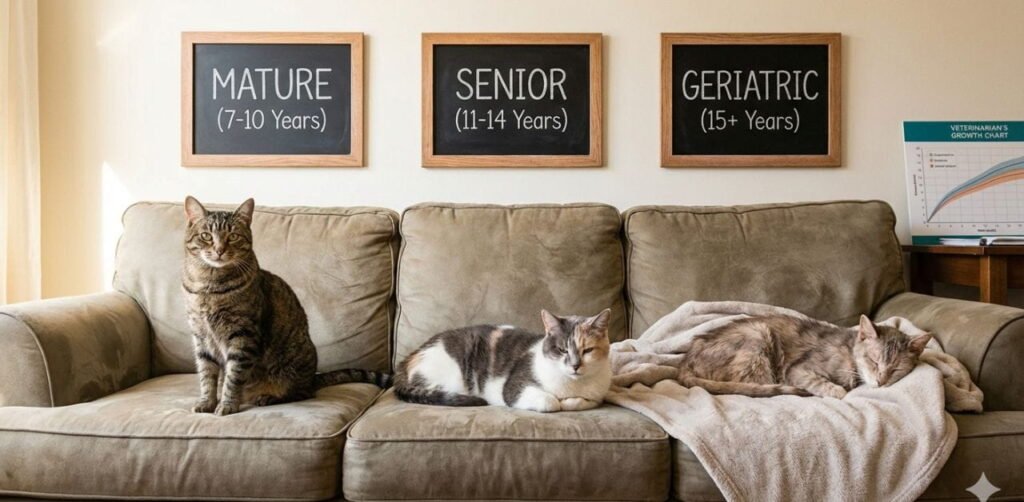
According to experts at VCA Hospitals and PetMD, the aging process in cats is categorized into three stages:
- Mature: 7 to 10 years old.
- Senior: 11 to 14 years old.
- Geriatric: 15 years and older.
As cats age, their metabolism slows down, their immune system becomes less efficient, and their digestive tract may struggle to process heavy nutrients. This is why a standard “adult” cat food often isn’t enough to meet their evolving biological needs.
Key Nutritional Requirements for Senior Cats
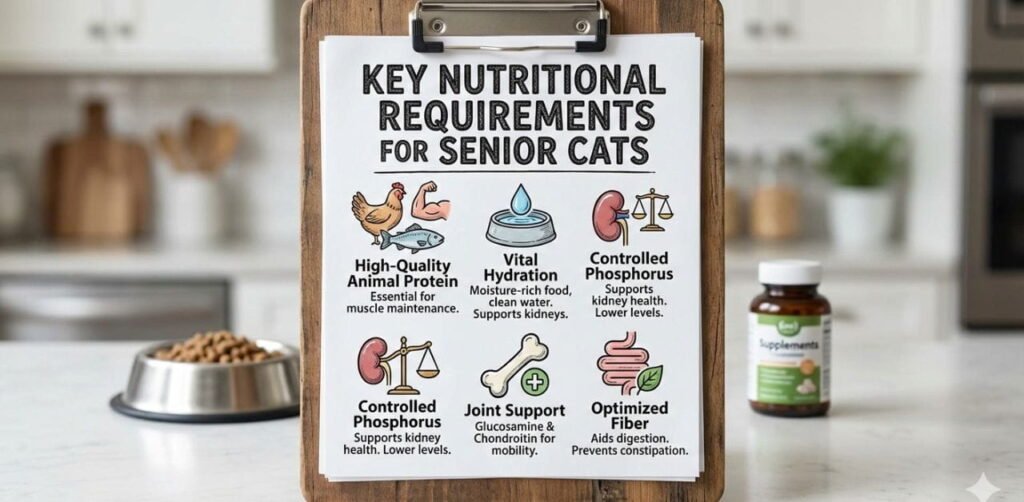
To ensure your cat lives a long, vibrant life, their diet must contain these essential components:
High-Quality Animal Protein
There is a common myth that older cats need less protein. In reality, the opposite is often true. Research from Rover.com suggests that senior cats need easily digestible, high-quality protein to prevent muscle wasting (sarcopenia). Look for recipes where real chicken, turkey, or fish is the first ingredient.
Vital Hydration (Moisture Content)
Kidney disease is one of the leading health concerns for aging cats. Since cats naturally have a low thirst drive, Wet Food is highly recommended. High-moisture food (75-80% water) helps flush the kidneys and prevents dehydration, which can be a silent killer in older felines.
Controlled Phosphorus Levels
Excessive phosphorus can put a massive strain on aging kidneys. The best senior cat foods carefully balance phosphorus levels to support renal health while providing enough minerals for bone strength.
Joint Support (Glucosamine & Chondroitin)
Arthritis and joint stiffness are incredibly common in senior cats. Diets enriched with Omega-3 fatty acids (DHA/EPA), glucosamine, and chondroitin can miraculously improve your cat’s mobility and comfort.
Optimized Fiber for Digestion
Constipation is a frequent issue for senior cats. A healthy amount of fiber helps keep their digestive system moving smoothly, preventing discomfort and bloating.
Wet vs. Dry Food: Which is Better?
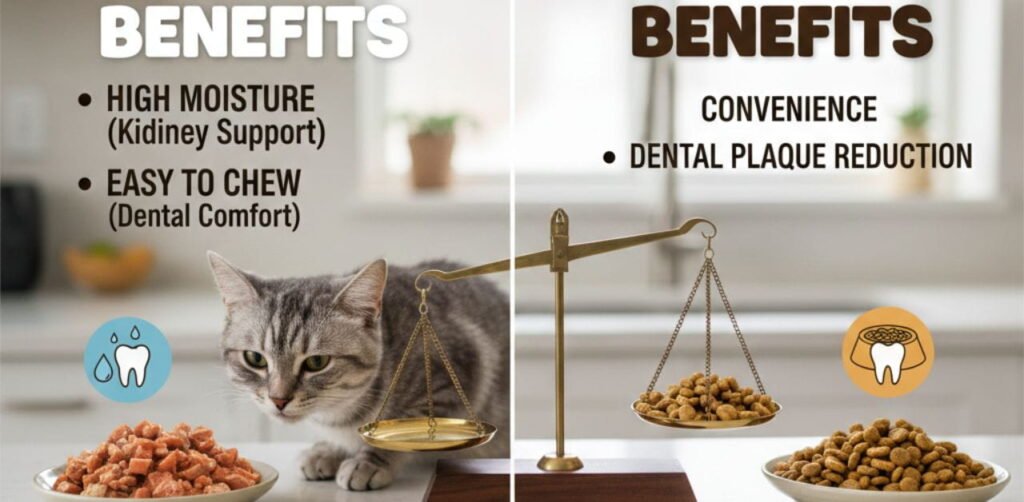
While the debate continues, most veterinarians agree that Wet Food often holds the edge for seniors.
- The Benefits of Wet Food: Higher moisture content, easier to chew (perfect for cats with dental issues), and a stronger aroma that appeals to cats with a declining sense of smell.
- The Benefits of Dry Food: Good for convenience and can help with dental plaque if the cat has healthy teeth. However, if you choose dry food, experts recommend adding a bone broth topper or warm water to increase hydration.
Best Food for Senior Cats: Top Recommendations (US Market)
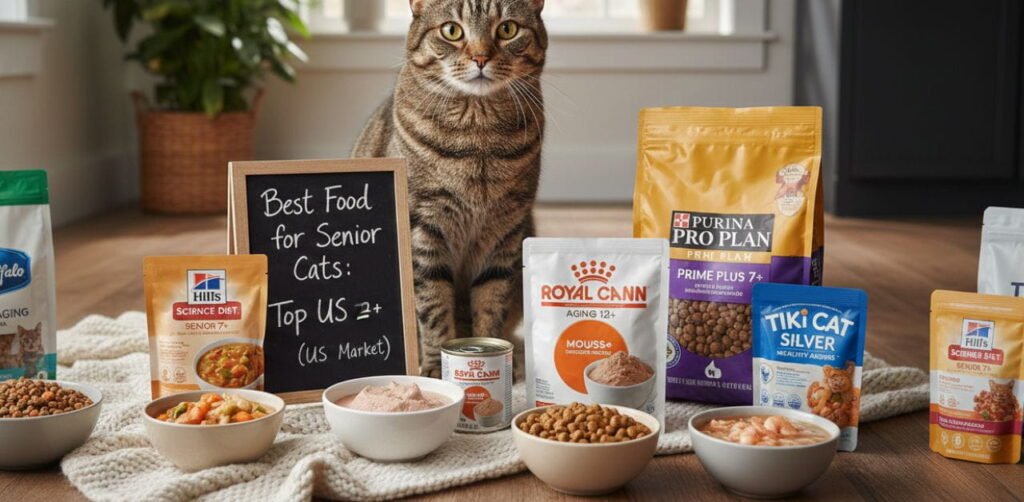
Based on data from top-ranking sources like Cats.com and Lily’s Kitchen, here are the most effective food options currently available:
Hill’s Science Diet Senior 7+ (Overall Best)
This is a top-tier choice frequently recommended by US veterinarians. It features a synergistic blend of ingredients that support brain function, heart health, and kidney vitality. Its antioxidant profile (Vitamin C & E) is specifically designed to boost a weakening immune system.
Royal Canin Aging 12+ (Best for Very Old Cats)
For cats entering the geriatric stage, this formula is the gold standard. It features a very soft kibble or “loaf in sauce” texture that is incredibly easy to chew. It also focuses heavily on renal support and joint health.
Purina Pro Plan Prime Plus 7+ (Proven Longevity)
Purina conducted a landmark 9-year study showing that this specific blend helped cats live longer, healthier lives. It contains a unique blend of prebiotics and antioxidants that balance the gut microflora.
Blue Buffalo Healthy Aging (Best Natural Option)
For owners who prefer natural ingredients, Blue Buffalo is a powerhouse. It contains no corn, wheat, or soy and is packed with “LifeSource Bits”—a precise blend of vitamins and minerals processed at a lower temperature to preserve potency.
Tiki Cat Silver (Best Wet Food for Picky Seniors)
Specifically formulated for seniors, Tiki Cat Silver offers a soft, mousse-like texture. It is high in protein and low in carbs, making it a fantastic choice for cats that have lost weight or have a decreased appetite.
How to Deal with Picky Senior Eaters
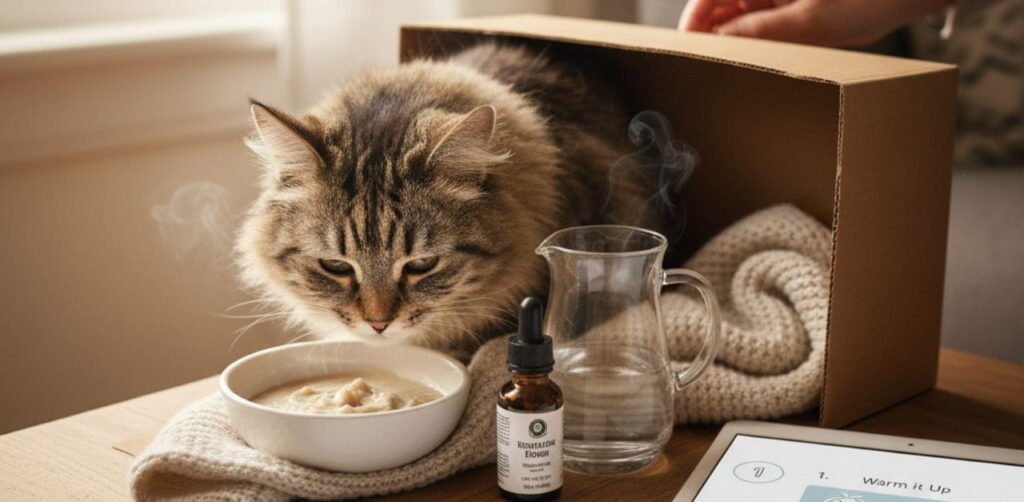
It is common for senior cats to lose interest in food. Their senses of taste and smell often dull with age. Try these pro-tips to entice them:
Warm it Up: Lightly microwave wet food for a few seconds. This releases the aroma, making it much more appealing to a cat’s nose.
Add a Tasty Topper: Use a small amount of tuna juice (low sodium) or salt-free chicken broth to enhance the flavor.
Use Shallow Bowls: Many senior cats suffer from “whisker fatigue.” Shallow, wide bowls prevent their whiskers from touching the sides, making the eating experience more comfortable.
Create a Quiet Zone: Senior cats can get easily stressed. Ensure their feeding area is away from loud noises or busy areas of the house.
Managing Common Health Issues Through Diet
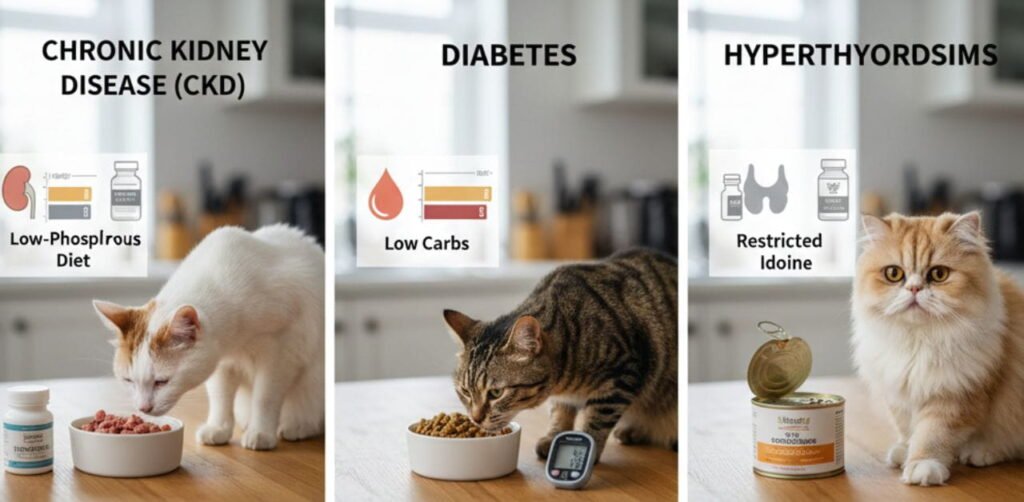
If your cat has a specific medical condition, their diet can act as life-saving medicine:
- Chronic Kidney Disease (CKD): Requires a prescription diet with strictly controlled phosphorus and high-quality, restricted protein levels.
- Diabetes: High-protein, low-carbohydrate diets are essential for maintaining stable blood sugar levels.
- Hyperthyroidism: Some cats may benefit from an iodine-restricted diet to manage overactive thyroid glands.
Note: Always consult with your veterinarian before switching to a prescription-strength diet.
The Safe Transition: How to Switch Foods
Senior cats have sensitive stomachs. Never switch their food overnight. Follow this 7-day transition plan to avoid digestive upset:
- Days 1-2: 75% Old Food + 25% New Food
- Days 3-4: 50% Old Food + 50% New Food
- Days 5-6: 25% Old Food + 75% New Food
- Day 7: 100% New Food
This gradual change prevents diarrhea and allows their gut bacteria to adjust to the new nutrient profile.
Your Cat Deserves a Happy Retirement
Your cat has given you years of unconditional love; now it’s time to return the favor by providing the optimum nutrition they deserve. By focusing on high-quality protein, superior hydration, and joint support, you can significantly enhance their quality of life.
Remember: The best food for senior cats is the one that meets their unique health needs while keeping them excited for mealtime. Choose one of our top picks today and give your feline friend the gift of a healthy, happy, and long life!