
For many cat lovers in the United States, the dream of owning a feline companion is often cut short by the reality of sneezing, itchy eyes, and skin rashes. If you’ve been captivated by the wild, exotic look of the Bengal cat, you’ve likely asked the million-dollar question: Are Bengal cats hypoallergenic?
The short answer is: No cat is 100% hypoallergenic, but Bengal cats are widely considered one of the best breeds for allergy sufferers.
In this detailed guide, we will use insights from veterinary experts and top Bengal breeders to explain why these “miniature leopards” are a game-changer for people with sensitivities.
What Does “Hypoallergenic” Actually Mean?
Before diving into the Bengal breed, it is crucial to clear up a common misconception. “Hypoallergenic” does not mean “non-allergenic.” It simply means “less likely to cause an allergic reaction.”
According to PetMD, most human allergies to cats aren’t caused by fur itself, but by a protein called Fel d 1. This protein is found in a cat’s:
Saliva
Skin oils (Dander)
Urine
When a cat grooms itself, the saliva dries on the fur and becomes airborne as dander. Because Bengal cats have a unique coat and grooming habit, they spread significantly less of this protein into your home environment.
Why Bengal Cats are Different: The Science of the “Pelt”
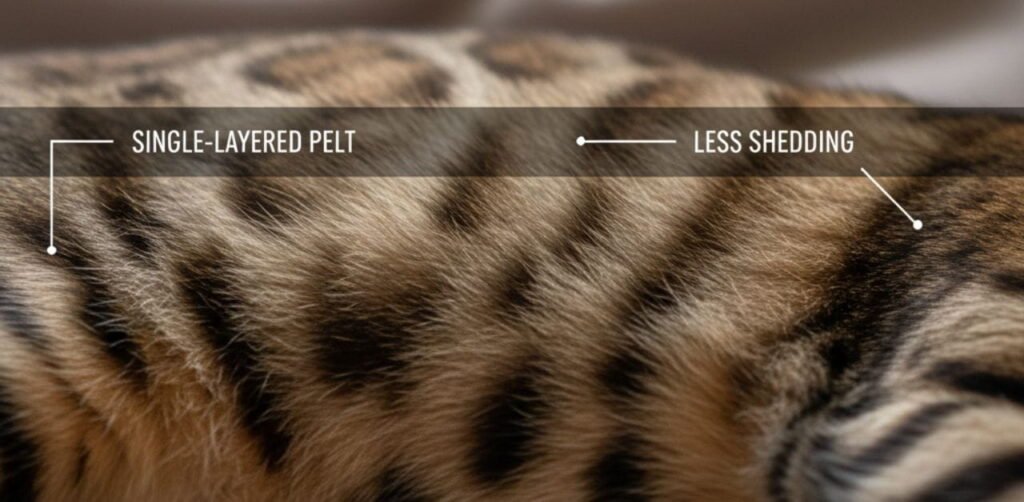
The primary reason Bengal cats are favored by allergy sufferers in the US is their coat. Unlike most domestic cats that have a “fur” coat with a thick undercoat, Bengals have what is known as a “pelt.”
Single-Layered Coat
Most cats have two or three layers of fur that shed constantly. Bengals have a sleek, single-layered pelt that is very similar to a dog’s hair or even human hair. This means they shed much less than a typical tabby or a long-haired Persian.
Less Grooming Required
Because their pelt is so low-maintenance, Bengals don’t need to lick themselves as often to stay clean. Less licking means less saliva (Fel d 1 protein) is deposited on their coat, and consequently, less dried saliva becomes airborne in your living room.
Minimal Dander Production
Litter-Robot highlights that because Bengals shed less, they also release less dander into the air. For someone with cat allergies, dander is the main trigger. By keeping dander levels low, Bengals allow many people to live symptom-free.
Bengal Cats vs. Other Breeds: An Allergy Comparison
| Feature | Bengal Cat | Typical Domestic Cat |
| Coat Type | Single-layered Pelt | Multi-layered Fur |
| Shedding | Very Low | Moderate to High |
| Fel d 1 Spread | Minimal | Significant |
| Grooming Needs | Low | High |
Expert Tips for Living with a Bengal Cat (If You Have Allergies
Even with a “hypoallergenic” breed like a Bengal, US-based experts recommend a proactive approach to keep your home allergen-free. Here are the most effective strategies:
The “Trial Run” Visit
Before committing to a breeder like Lap Leopard Bengals or Belle Ami Bengals, always request a “test visit.” Spend 30 to 60 minutes with the cat in a confined space. This is the only way to know for sure how your specific immune system will react.
Invest in a HEPA Air Purifier
In the US, indoor air quality is a top priority for allergy management. Using a high-quality HEPA filter (like those from Levoit or Blueair) can capture 99.97% of airborne pet dander. Place one in your bedroom and another in the main living area.
Use a High-Quality Diet
What you feed your Bengal matters. Some modern cat foods, such as Purina Pro Plan LiveClear, are specifically formulated to neutralize the Fel d 1 protein in a cat’s saliva. Combined with Omega-3 supplements to keep their skin hydrated (reducing dander), a good diet can drastically lower allergen levels.
Maintain a “Cat-Free” Zone
Keep your bedroom door closed at all times. By making your sleeping area a “no-cat zone,” you give your immune system eight hours of recovery time every night.
Regular Cleaning Habits
- Vacuuming: Use a vacuum with a HEPA filter (like a Dyson or Shark) twice a week.
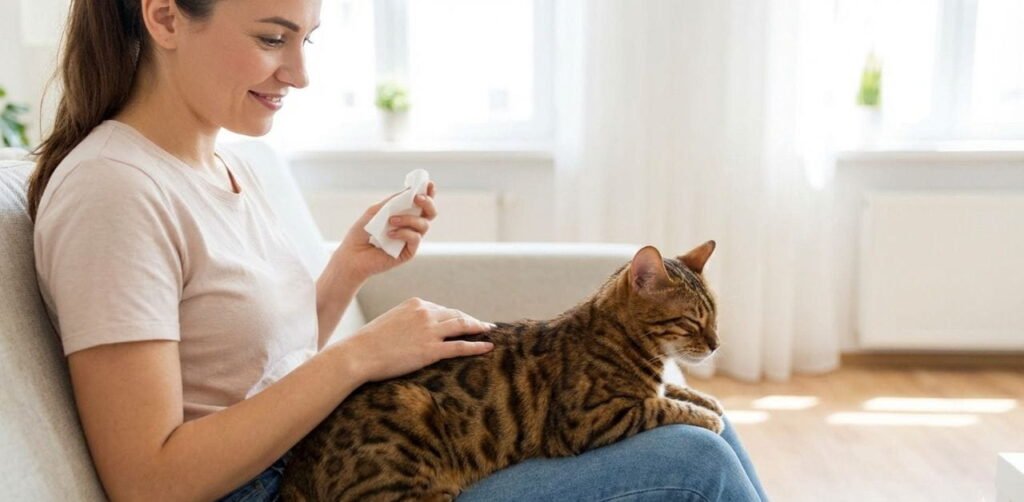
- Wiping: Instead of brushing (which releases dander), use a damp cloth to wipe down your Bengal’s pelt once a week. This removes loose hair and surface saliva without spreading it into the air.
More Than Just a Low-Allergy Cat

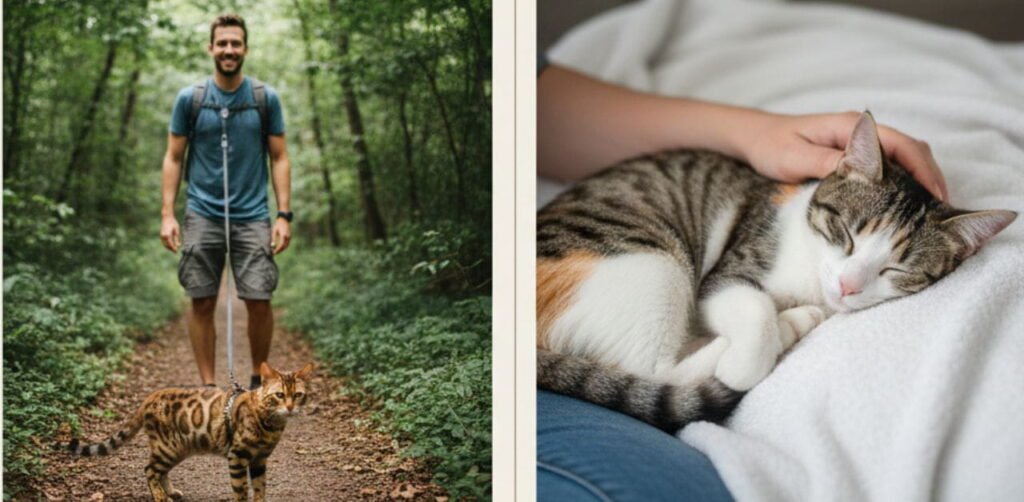
While their hypoallergenic qualities are a huge draw, US owners should remember that Bengals are high-energy animals. They are often described as “dog-like.” They can be trained to walk on a leash, they love playing in water, and they require significant mental stimulation.
If you are looking for a lazy lap cat, a Bengal might be too much for you. But if you want an active, intelligent, and “allergy-friendly” partner, they are arguably the best breed in the world.
Frequently Asked Questions (FAQs)
Are Silver Bengals more hypoallergenic than Brown Bengals?
There is no scientific evidence suggesting that color affects allergen production. Whether your Bengal is Spotted, Marbled, Silver, or Snow, their pelt characteristics remain the same.
Can I be 100% sure I won’t have an allergy?
No. Allergies are subjective. While many people with severe allergies do fine with Bengals, some may still experience symptoms. Always test your reaction before buying.
Do kittens produce more allergens than adults?
Actually, kittens often produce less Fel d 1, but as they reach maturity, their protein production increases. This is why it’s important to test your reaction with an adult cat if possible.
Is a Bengal Cat Right For You?
If you live in the US and struggle with cat allergies, the Bengal cat offers a ray of hope. Their unique single-layered pelt, minimal shedding, and reduced dander spread make them a top-tier choice for sensitive owners.
By following a dedicated cleaning routine and choosing a reputable breeder (like those registered with TICA), you can enjoy the beauty and companionship of a Bengal without the constant sneezing.