
If you are a cat owner, you’ve likely experienced the “biscuits” ritual. Your cat jumps onto your lap, starts rhythmically pushing their paws in and out on your leg, and purrs like a tiny engine. While most people call this “making biscuits,” some feline enthusiasts refer to these unique, rhythmic behaviors as a mopjay—a term used to describe those intense, focused sessions of feline comfort.
But why do they do it? Is it a sign of affection, or is there a biological reason behind the claws digging into your favorite sweater? In this guide, we will dive deep into the science and instinct behind why cats knead.
A Relic of Infancy (The “Kitten” Instinct)
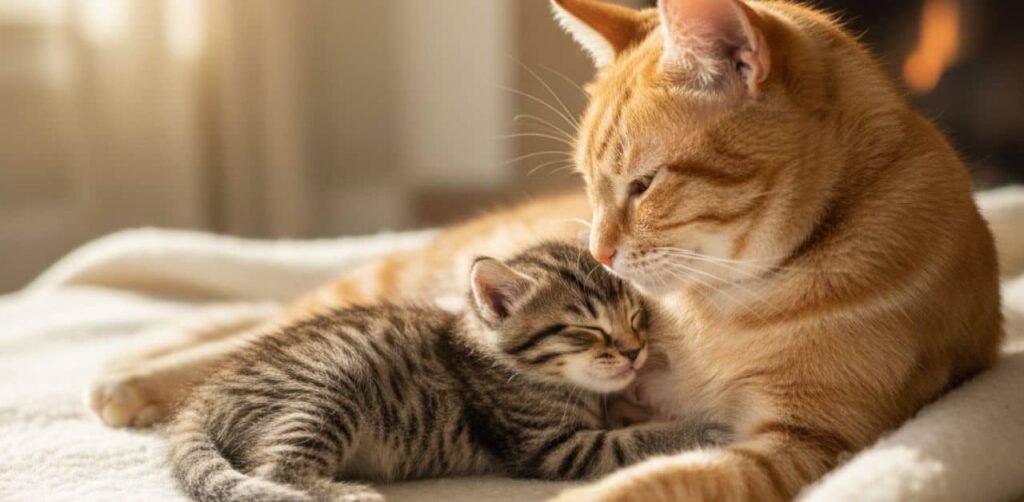
The most common explanation for kneading is rooted in early childhood. Newborn kittens knead their mother’s mammary glands to stimulate milk flow.
Even though adult cats no longer need to “pump” for milk, the motion remains hardwired in their brains. When a cat is feeling safe and nurtured, they revert to this kitten-like state. It is the ultimate compliment; it means your cat views you as a protective, mother-like figure.
Marking Their Territory
Cats are incredibly territorial creatures. They have scent glands located in the soft pads of their paws. When they knead a surface—be it a blanket or your arm—they are releasing their unique scent to claim that spot.
By engaging in a mop jay session on your lap, your cat is essentially telling the world, “This human belongs to me.” It’s a subtle but powerful way for them to feel secure in their environment.
Creating a “Nest” for Sleep
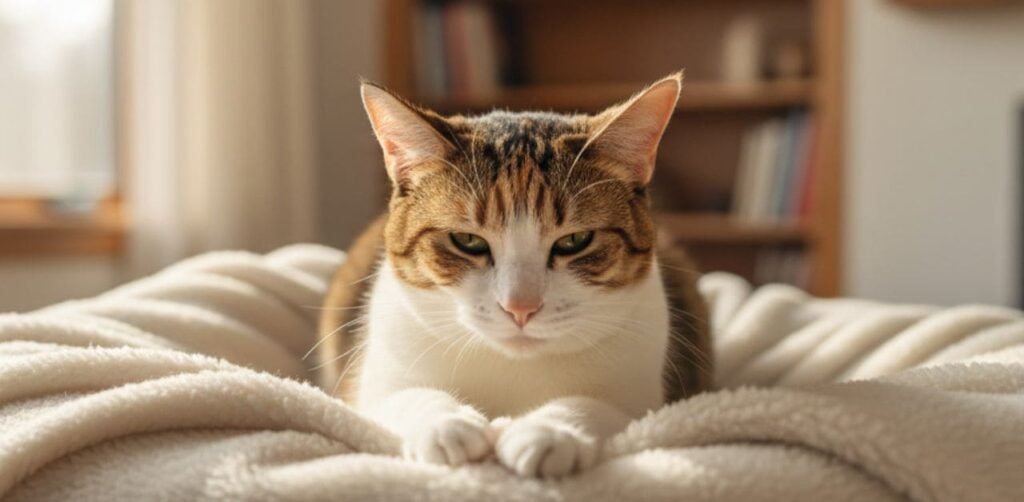
Wild ancestors of the modern house cat didn’t have orthopedic beds. They had to sleep in tall grass or piles of leaves. To make a comfortable “nest” and check for hidden predators or pests, they would pat down the foliage with their paws.
Your cat might be pampered, but those wild instincts haven’t disappeared. If you see your cat kneading a plush pillow before curling up, they are simply “arranging the bedding” for a perfect nap.
Stretching and Flexibility
We all know cats are masters of flexibility. Kneading is actually a fantastic way for a cat to stretch their muscles after a long sleep. By pushing off a surface, they extend their limbs and keep their ligaments supple. It’s essentially a feline yoga session that helps them stay agile for their next zoomie or pounce.
The “Mopjay” Behavior: What Makes it Special?
While standard kneading is common, a true mop jay involves a level of focus that is fascinating to watch. During these moments, cats often enter a trance-like state. Their eyes may glaze over, and they might even drool slightly. This is a sign of extreme relaxation. If your cat is doing this, it means they are at their highest possible level of “Zen.”
Should You Be Worried About Kneading?
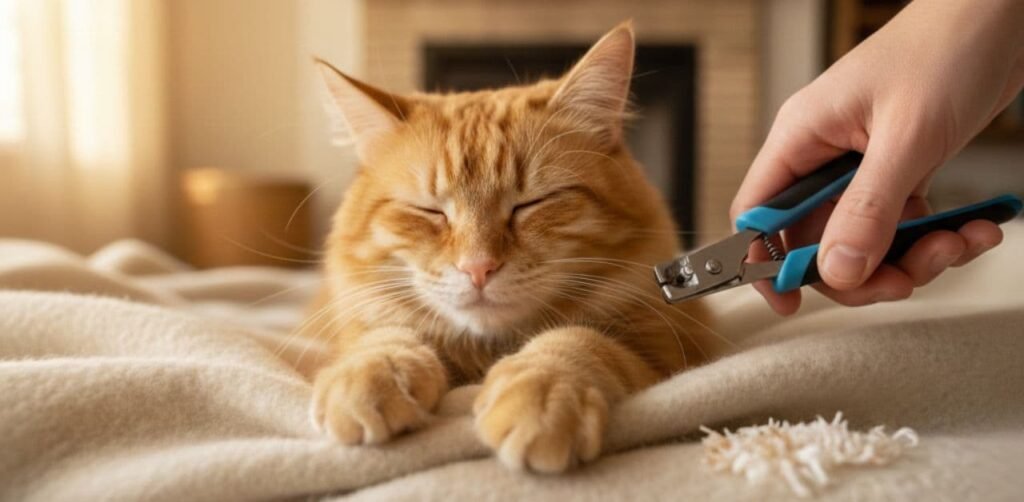
For the most part, kneading is a healthy, positive behavior. However, there are a few things to keep in mind:
- Painful Claws: If your cat’s claws are long, kneading can be painful for you. Instead of pushing them away (which can hurt their feelings), try keeping their nails trimmed or placing a thick towel between you and the cat.
- Excessive Kneading: If a cat kneads constantly and seems anxious, it could be a sign of stress. However, 99% of the time, it is just a sign of a happy kitty.
Summary: Why Your Cat Loves the “Biscuit” Life
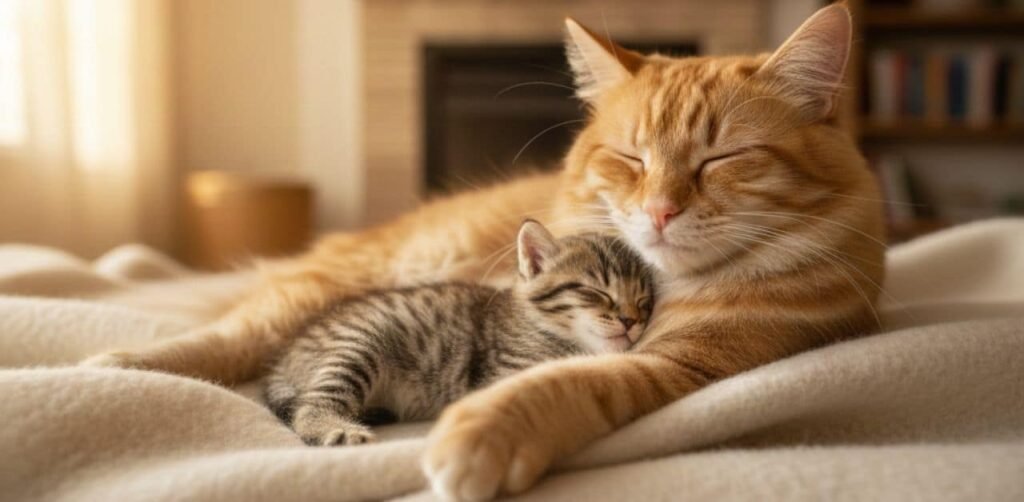
To summarize, cats knead for four main reasons:
- Comfort: They feel like a kitten again.
- Territory: They are marking you with their scent.
- Preparation: They are making a nest.
- Health: They are stretching their tired muscles.
| Reason | Purpose |
| Evolution | Stimulating milk flow as kittens |
| Scent Glands | Marking territory on humans/furniture |
| Wild Instinct | Flattening grass to sleep safely |
| Affection | Showing total trust and love |
Conclusion
Understanding your cat’s behavior is the best way to build a lifelong bond. Whether they are just doing a quick stretch or settling in for a deep mop jay session, kneading is a beautiful reminder of the trust your feline friend has in you. So, the next time your cat starts “making biscuits,” take it as a badge of honor. You are their safe space.