
As a cat owner, you want your feline friend to feel safe, happy, and secure in their “forever home.” However, cats are masters of disguise. In the wild, showing weakness or fear makes them vulnerable to predators, so they have evolved to hide their discomfort. This often means that signs of cat anxiety symptoms go unnoticed until the problem becomes severe.
At Cat Thesis, we believe in diving deep into feline behavior to help you understand what your cat is secretly trying to tell you. If you’ve noticed a change in your cat’s mood, it might not just be “cattitude”—it could be clinical anxiety.
In this comprehensive guide, we will uncover the essential warning signs of feline stress and how you can restore peace to your cat’s life.
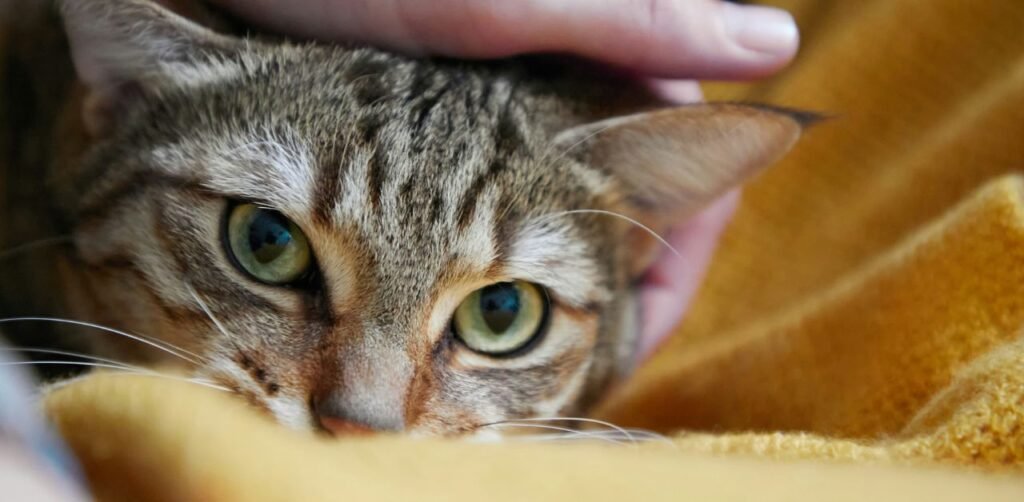
Why Understanding Cat Anxiety is Critical
Anxiety isn’t just a “human” problem. Cats experience fear and stress that can lead to long-term health issues, such as cystitis or a weakened immune system. By identifying these shocking symptoms early, you can prevent your cat from suffering in silence.
The “Invisible” Cat: Excessive Hiding
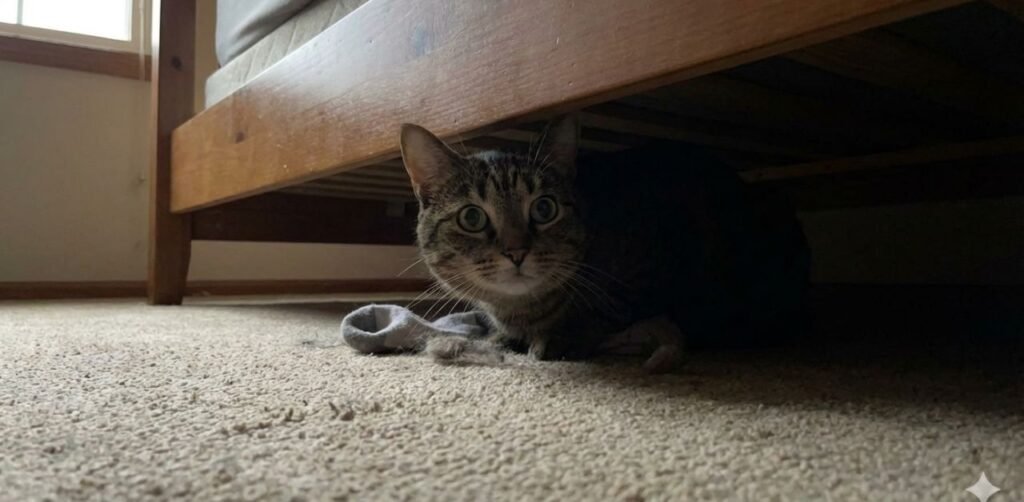
One of the most common signs of cat anxiety symptoms is a sudden desire for isolation. While cats love a good nap in a quiet corner, an anxious cat will hide in unusual places—under the bed, deep inside closets, or behind appliances—for hours or even days. If your social cat suddenly becomes a ghost, their stress levels are likely peaking.
Drastic Changes in Litter Box Habits
Is your cat “missing” the box? Before you get frustrated, realize that this is a cry for help. If a cat feels anxious about their environment (perhaps due to a new pet or a noisy neighbor), they often urinate on soft surfaces like laundry, rugs, or your bed. This is known as “mismanaging” and is a major indicator of psychological distress.
Destructive Grooming (Over-Grooming)
Have you noticed bald patches on your cat’s belly or legs? This is called Psychogenic Alopecia. Cats groom themselves to release endorphins that calm them down. An anxious cat may over-groom until their skin is raw and bleeding. This distressing behavior is a clear sign that they are trying to self-soothe an underlying fear.
Hypervigilance and Dilated Pupils
An anxious cat is always “on guard.” You might notice their eyes are constantly wide with dilated pupils, even in bright light. They may flinch at small sounds or constantly scan the room for threats. This state of “high alert” is exhausting for their nervous system.
Vocalization: The Midnight Cry
While some breeds like Siamese are naturally chatty, sudden and excessive meowing, yowling, or crying—especially at night—is a proven sign of distress. If your cat is wandering the halls making mournful sounds, they may be feeling insecure or disoriented.
Aggression Out of Nowhere
If your usually sweet cat starts hissing, swatting, or biting, don’t dismiss it as a bad mood. Redirected aggression happens when a cat is stressed by something they can’t reach (like a stray cat outside the window) and takes it out on you or another pet.
Changes in Appetite
Just like humans, some cats stop eating when they are stressed. A sudden loss of interest in treats or their favorite wet food is a serious red flag. Conversely, some cats may develop “pica”—an obsessive urge to eat non-food items like plastic or wool—as a coping mechanism for anxiety.
Body Language: The Tucked Tail

A cat’s tail is the barometer of their soul. A tail tucked tightly against the body or wrapped around them while standing is a classic sign of fear. Similarly, if their ears are frequently pinned back or “flat like a pancake,” they are feeling threatened.
Common Triggers: Why is Your Cat Anxious?
To solve the problem, you must find the root cause. Common triggers in US households include:
- Anxiety can sometimes be caused by external factors, such as accidental exposure to Toxic Plants in your home.
- Environmental Changes: Moving to a new house or even rearranging furniture.
- New Additions: A new baby, a new partner, or a new pet.
- Loud Noises: Construction, thunderstorms, or fireworks.
- Lack of Resources: Not having enough vertical space (cat trees) or private litter boxes.
Expert-Backed Solutions to Calm Your Cat
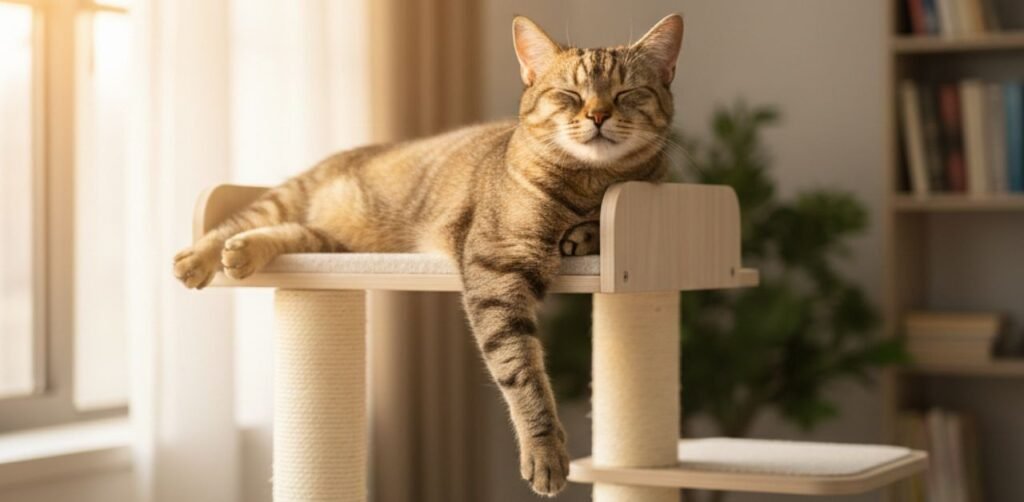
Once you recognize the signs of cat anxiety symptoms, you can take instant action to help:
Create a Safe Haven: Provide a “base camp” with their favorite blanket, water, and a litter box where they won’t be disturbed.
Pheromone Therapy: Use diffuses like Felicia. These mimic a mother cat’s soothing scents and are highly effective for many cats.
Interactive Play: Daily play sessions with a feather wand can help burn off “anxious energy” and build confidence.
Vertical Space: Cats feel safer when they are high up. Invest in a sturdy cat tree.
Consult a Vet: If the symptoms are severe, your vet may prescribe calming supplements or medication to give your cat a better quality of life.
The Bottom Line

Recognizing the signs of cat anxiety symptoms is the first step toward a happier, healthier pet. Your cat relies on you to be their advocate. By paying attention to these subtle shifts in behavior, you can transform your home back into the sanctuary your cat deserves.
Is your cat showing these signs? Don’t wait until the problem worsens. Early intervention is the secret to a stress-free feline life.