
If you have ever seen a large, Unneutered (intact) male cat (a Tomcat), you must have noticed a distinct roundness and fullness on both sides of their face, right on the cheeks. In the language of Feline Fancy, These cheeks are a sign of maturity, which you can track using a Cat Age or Human Years chart.these are called “Tomcat Jowls,” sometimes also known as “Stud Cheeks” or “Stud Jowls.” These prominent features are not just for aesthetics; they are biological changes caused by the hormone Testosterone, which is directly linked to the cat’s survival and reproduction.
In this blog post, we will explore in detail why these “royal cheeks” develop, what their purpose is, and the most crucial question: do they shrink after neutering? If you are a caregiver for a colony cat or a feral cat, this information is essential for you.
What Are Tomcat Jowls and How Do They Develop?
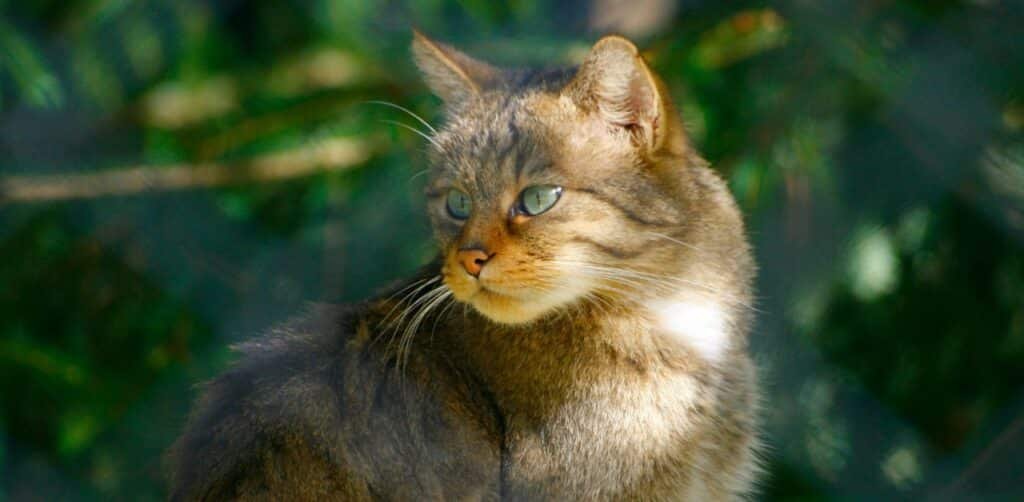
Tomcat Jowls are the fleshy and chunky areas found on the faces of male cats. They typically emerge during puberty (adolescence) when the level of the hormone Testosterone in the cat’s body becomes very high.
The Role of Testosterone:
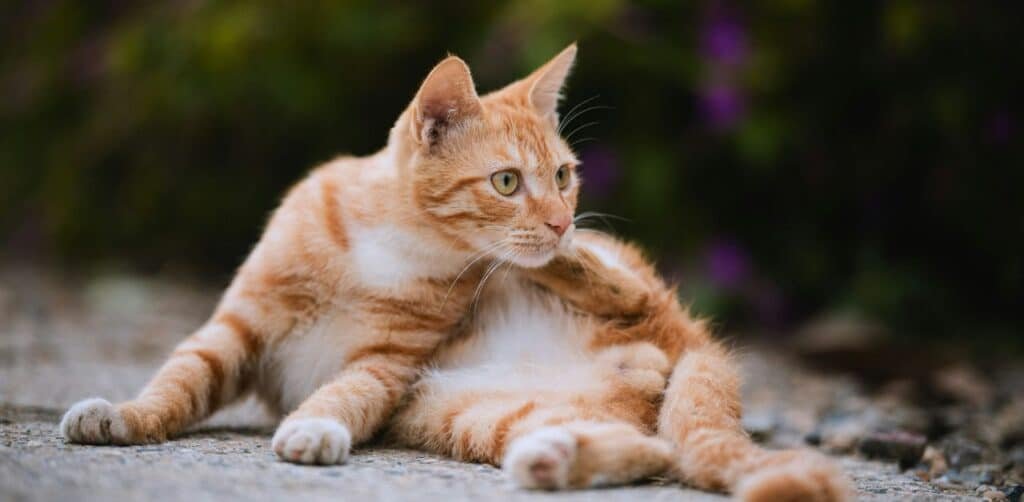
In a Tomcat, high Testosterone levels not only increase their sexual maturity but also change the entire structure of their body. This hormone causes the facial tissues and skin, especially the cheek area, to thicken, giving them that characteristic round and “jowly” look.
This change happens gradually and is often completed by the time the cat reaches 18 to 24 months of age. The presence of jowls is a clear indicator that the cat is intact and has not been castrated (neutered).
What is the Purpose of These ‘Stud Cheeks’?
You might be wondering why nature provided the male cat with this unique feature. The development of jowls is not just a hormonal side-effect; it serves two (2) large and necessary functions in a Tomcat’s life:
Protection in Fights
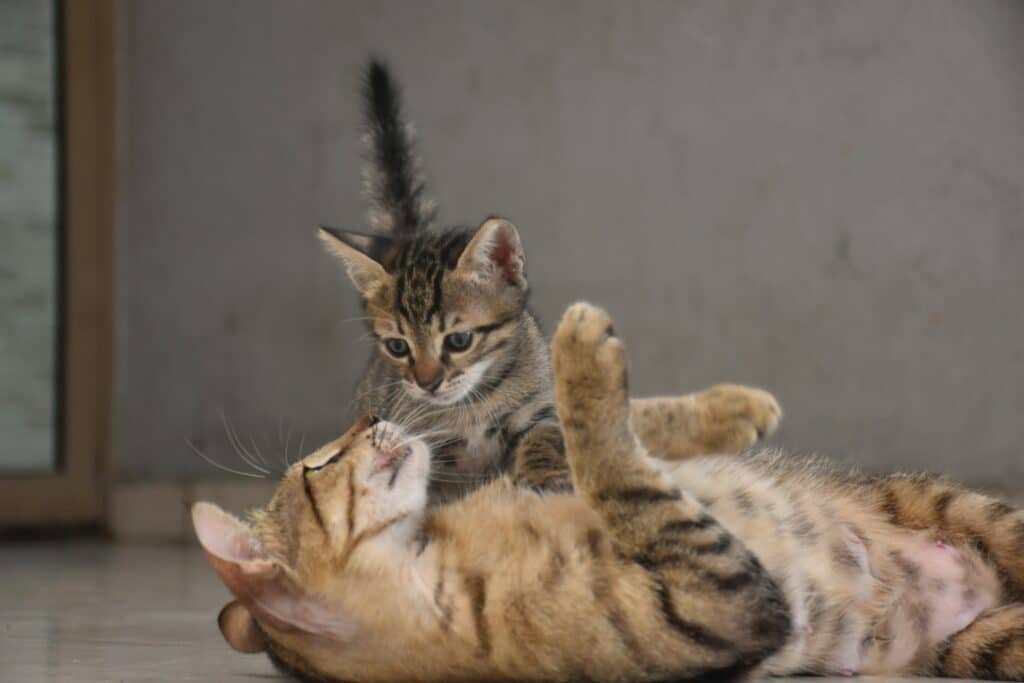
Tomcats are highly territorial. When they fight other Tomcats for territory or a mate, their battles are often very aggressive, and they try to bite each other’s neck and head.
These thick jowls and the accompanying thicker skin on the neck act as a type of “shield.” They help protect the vital veins and bones in their face and neck from deep wounds. Without these jowls, the risk of serious injury in a fight would significantly increase.
B. Signal to Female Cats

Tomcat Jowls also act as a visual signal. They communicate to female cats that the male is fully mature, strong, and ready for reproduction. When a Tomcat displays his jowls, he is, in a way, declaring his genetic quality.
Other Physical Features Associated with Jowls:
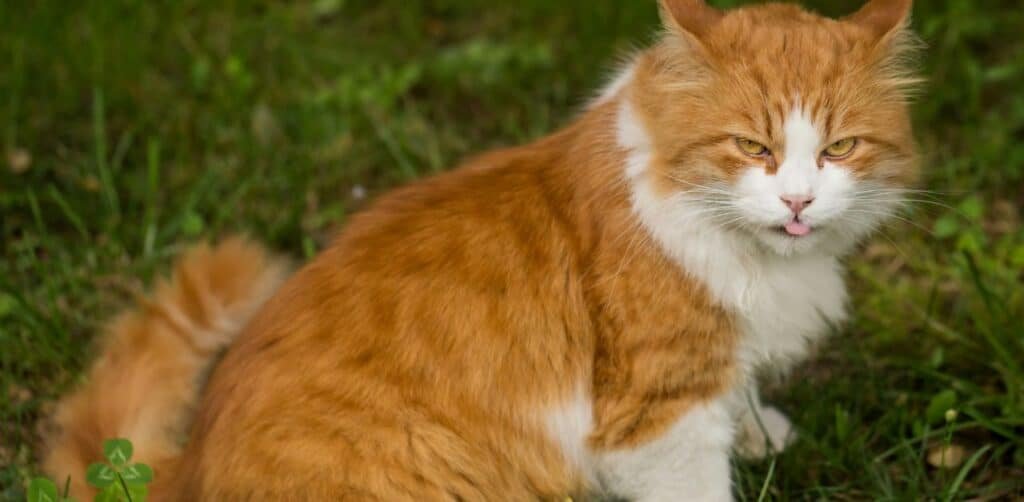
High Testosterone doesn’t just change the cheeks; it often produces the following characteristics in Tomcats:
- Bigger Head: Due to the development of the cheeks, the head appears larger overall.
- Thicker Neck: The skin and muscles thicken for added protection.
- Muscular Body: There is an increase in overall strength and body size.
- Strong, Distinct Odor: Their urine and overall body odor are very strong and pungent, which they use extensively to mark their territory.
Do Tomcat Jowls Stud Cheeks?
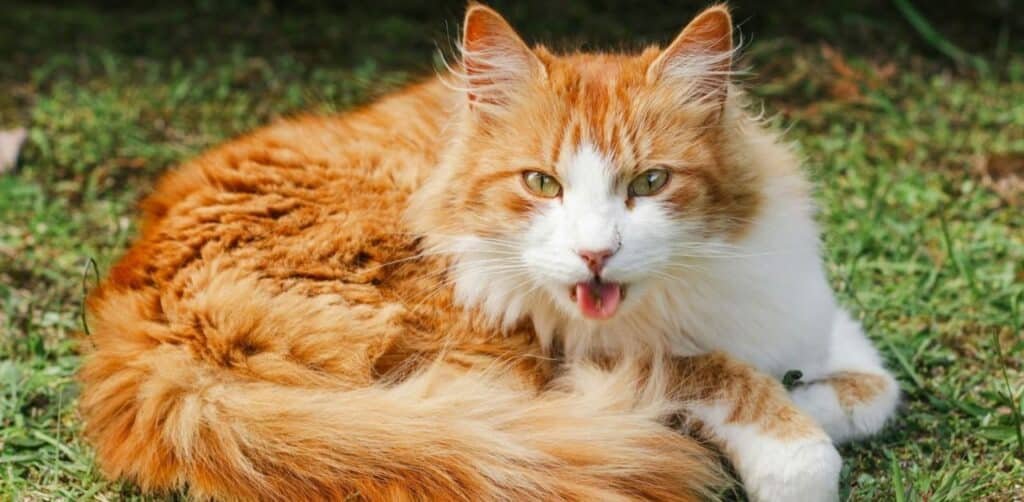
This is a question every cat owner and TNR volunteer asks. When a Tomcat undergoes gonadectomy (castration/neutering), the Testosterone level in his body drops dramatically.
The answer depends on the age at which the cat was neutered:
- Before Puberty (Young Kitten): If the cat is neutered before 6 months of age, the Jowls will never develop.
- After Puberty (Adult Cat): If the Jowls have fully developed (meaning he was neutered after reaching maturity), then:
- They Will Shrink (Deflate): The thickness and fullness of the Jowls will significantly reduce over time (they “deflate”) because the lack of testosterone softens the tissue.
- They Won’t Vanish Completely: In most cases, the Jowls will not vanish entirely. The slight feature and the “square/chunky” shape of the face remain. This is why if you adopt a rescue or shelter cat with jowls, it usually indicates he was neutered later in life.
Be Cautious: Other Causes of Facial Swelling (Medical Concerns)
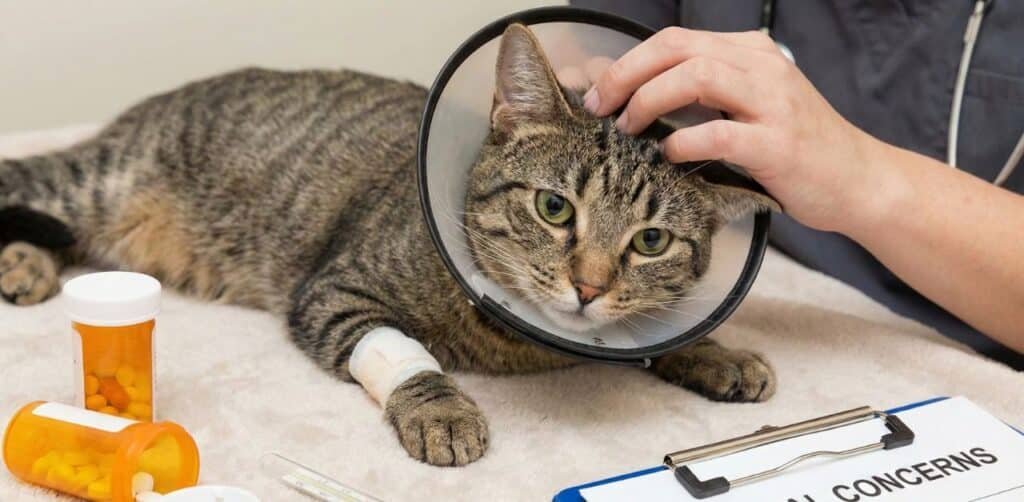
If your neutered male cat or female cat experiences sudden swelling on the cheeks or face, this may not be Jowls but could be a medical emergency.
Immediate veterinary attention is required if there is:
- Abscess: Infection in a wound (from a fight or dental disease). These are usually sudden and painful.
- Allergies: ellingudden general sw due to a specific food or environmental trigger.
- Tumors: In older cats, a lump (tumor) may form on the face or inside the mouth.
- Tylenol Toxicity: If a cat accidentally ingests Tylenol (Paracetamol), it causes facial swelling along with several dangerous symptoms.
Tomcat Jowls are a slow, gradual, and symmetrical (equal on both sides) development, while medical swelling is often rapid and asymmetrical (more on one side). Always consult your vet if you have any concern.
Conclusion
Tomcat Jowls are not only a symbol of male cat pride but also a direct indication of hormonal health and biological maturity. They develop under the influence of Testosterone and quickly tell us if a cat is intact. Their primary purpose is protection in fights and attracting a mate.
When we look at these “stud cheeked” Tomcats, we get a sense of their wild history and strength. Whether the jowls reduce slightly after neutering or remain, every cat, with or without jowls, is a wonderful and loving companion in his own right.