
Have you ever been sitting quietly on your sofa when suddenly, your cat transforms into a furry blur, racing across the room and scaling the curtains like an Olympic athlete? If you are a cat owner, you’ve witnessed the phenomenon known as Cat Zoomies.
At Cat Thesis, we believe every feline behavior tells a story. While these sudden bursts of energy might seem chaotic, there is actually a lot of science behind why cats behave this way. In this guide, we’ll dive deep into the world of Cat Zoomies, exploring why they happen and how you can manage them.
What Exactly Are Cat Zoomies?
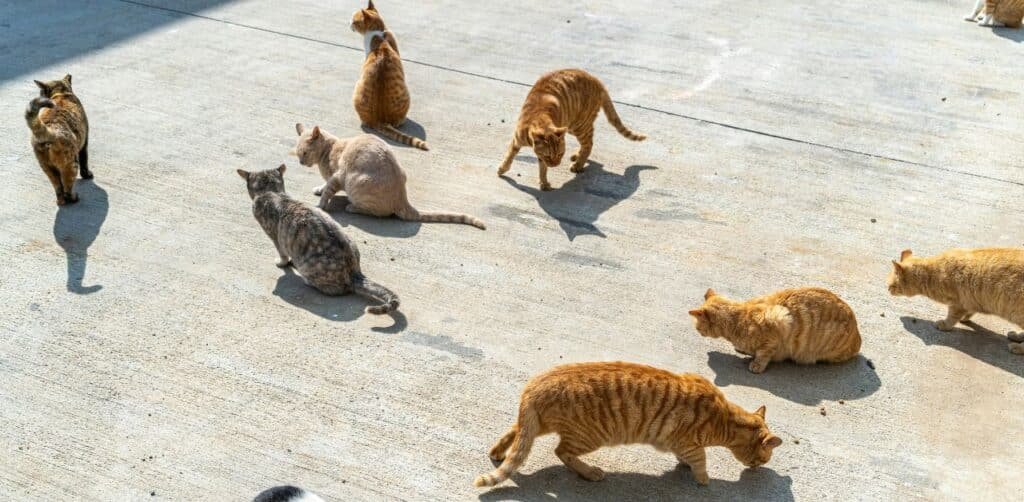
In the scientific world, Cat Zoomies are officially called FRAPs—Frenetic Random Activity Periods. These are short, intense bursts of energy where a cat runs, jumps, and twists with no apparent goal. It is a natural behavior seen in both wild cats and domestic house pets.
Why Do Cats Get the Zoomies?
There isn’t just one single reason for this behavior. Depending on your cat’s age and lifestyle, Cat Zoomies can be triggered by several factors:
Pent-Up Energy: Most house cats spend about 12 to 16 hours a day sleeping. When they wake up, they have a massive amount of stored energy. If they don’t have a way to release it through hunting or play, they release it all at once through a “zoomie” session.
Predatory Instincts: Cats are natural hunters. Even though your cat gets their food in a bowl, their brain is still wired to chase prey. Cat Zoomies often mimic the movements of a hunt—sprinting, pouncing, and quick turns.
The “Post-Poop” Zoom: Many owners notice their cats get the zoomies right after using the litter box. This is often linked to the “vagus nerve,” which can create a feeling of euphoria or relief after a bowel movement.
Age Factors: Kittens and younger cats experience Cat Zoomies much more frequently than seniors because their energy levels are significantly higher.
Are Cat Zoomies Normal?
Absolutely. In fact, seeing your cat engage in Cat Zoomies is generally a sign of a healthy, happy cat. It shows that your feline friend feels safe enough in their environment to let loose and express their natural instincts. However, if the behavior is accompanied by signs of distress, excessive meowing, or skin twitching, it’s always a good idea to consult a vet.
Managing Cat Zoomies at Night
One of the biggest complaints from cat owners in the US is the “3:00 AM Zoomies.” Because cats are crepuscular (most active at dawn and dusk), they often get their energy spikes while you are trying to sleep.
Here is how you can manage late-night Cat Zoomies:
- Evening Play Sessions: Use a feather wand or a laser pointer for 15 minutes before bed to drain their battery.
- Timed Feeders: Sometimes cats zoom because they are hungry. A small meal before bed can help them settle down.
- Vertical Space: Provide cat trees and shelves. If they are going to zoom, it’s safer if they have designated “highways” to run on.
When Should You Be Concerned?
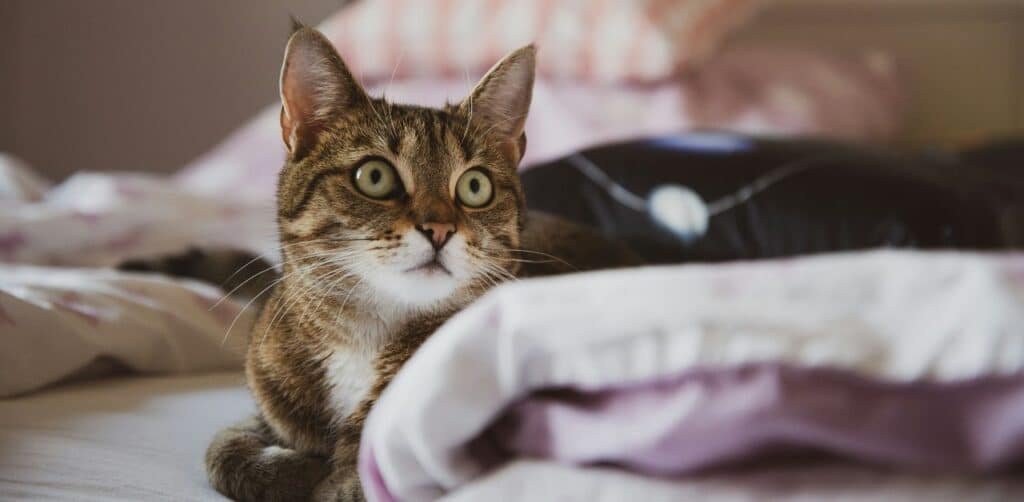
While Cat Zoomies are usually harmless, there are a few exceptions:
- Feline Hyperesthesia Syndrome: If your cat’s skin ripples and they seem agitated or bite at themselves during a zoomie, they may have a medical sensitivity.
- Senior Cats: If an older cat suddenly starts zooming more than usual, it could be a sign of hyperthyroidism, which increases their metabolism and energy.
Creating a Safe “Zoomie” Environment
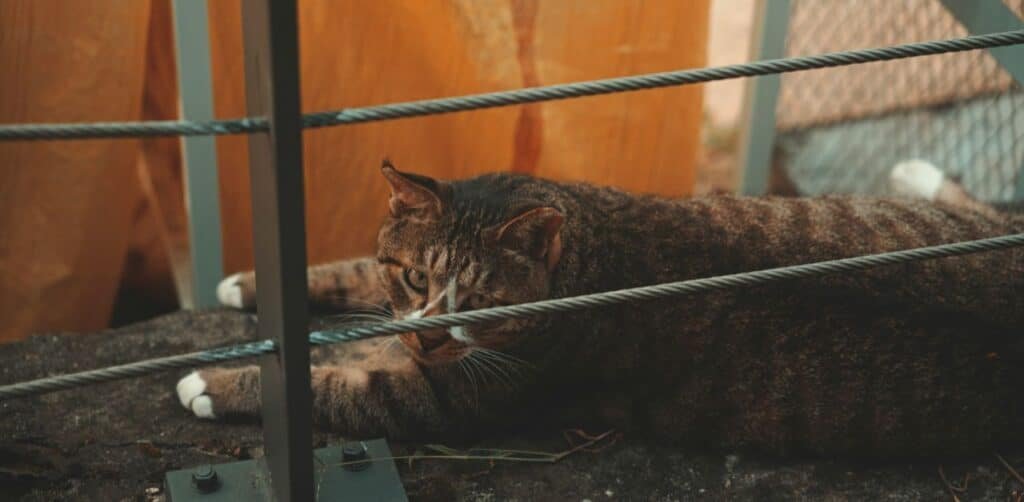
To make sure your cat doesn’t get hurt during their Cat Zoomies, keep these tips in mind:
- Clear the Path: Ensure there are no breakable items on the edges of tables.
- Non-Slip Surfaces: If you have hardwood floors, area rugs can help your cat get traction so they don’t slide into furniture.
- Interactive Toys: Leave out “solo play” toys like tunnels or crinkle balls.
Final Thoughts from Cat Thesis

Cat Zoomies are one of the most entertaining parts of living with a feline. They are a reminder of the wild hunter that still lives inside your pampered house cat. By understanding the “why” behind the sprint, you can better bond with your pet and ensure they are getting the physical and mental stimulation they need.
Does your cat have a specific “zoomie” trigger? Whether it’s after dinner or in the middle of the night, it’s all part of the wonderful world of being a cat parent!